
How to share Thanksgiving with a parent from a distance
Can't get to your mom's table this year? Plan three anchors, a day-of call timeline, scripts and a one-page checklist to make Thanksgiving feel shared.

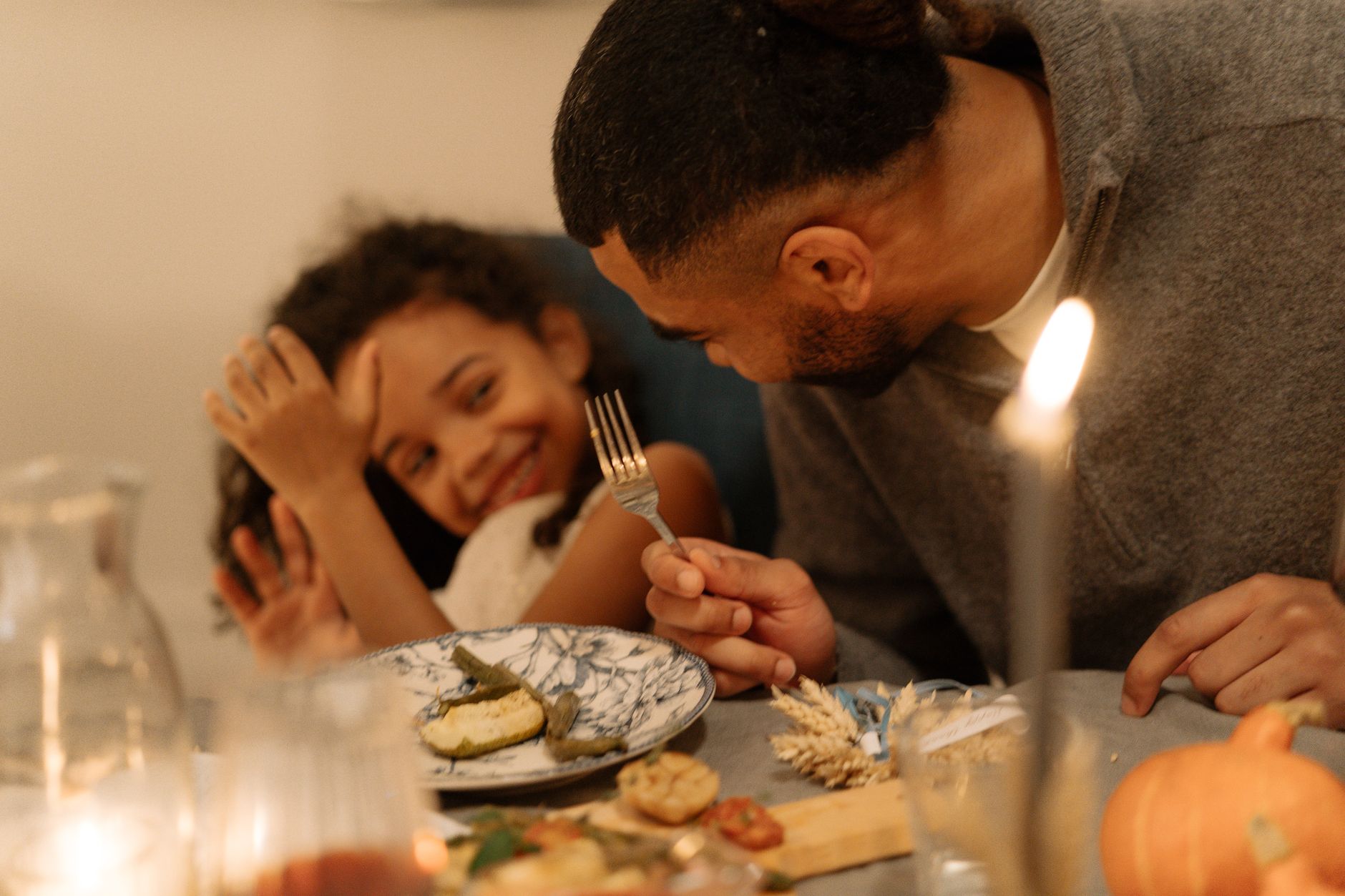
Photo: cottonbro studio / Pexels
Pick three anchors and let the rest go
If you can't get to your mom's table this Thanksgiving, plan three anchors: one group call at a set time, one activity you do together (like cooking the same dish), and one person who is physically there. Everything else in this guide is optional. Then put the plan on one page for your siblings so no one is guessing. A copy-and-send checklist is at the end, and the same plan works for any holiday you can't attend.
Start by saying the disappointment out loud. It's fine to be sad. It also helps to ask rather than announce, so your mom has a say in how the day goes. You could say:
“I can't be there this Thanksgiving, and I'm sorry. Still, I want to spend part of the day with you. Would you rather talk in the morning, or during dinner?”
Don't promise more than you can do. Communicate realistic expectations about what you can and cannot do, as the Alzheimer's Association's holiday guidance advises; that page is written for families living with dementia, but this point fits any family. Be gentle with yourself, too, and realistic about how much you can do and what you are willing to do, the National Institute on Aging says.
A day-of timeline: calls, a meal and a shared activity
This is the fuller version of the three anchors. The times are an example. Move them around to fit your mom's usual mealtime and energy, and drop anything that feels like too much.
| Time (example) | What happens | Who |
|---|---|---|
| Morning, 9:30 | A 10-minute “Happy Thanksgiving” call. Confirm the delivery arrived and who is coming over. | You and your mom |
| Late morning | Cook one dish together, with the video call propped on the counter. | You and your mom |
| One hour before the meal | Your local helper arrives and starts the video call if needed. | Helper |
| Mealtime | A 15–20 minute group call. Pass the phone around the table. | Everyone |
| Evening | A short call, or a photo text of leftovers and a “thank you.” | You |
Reach out on or before the actual holiday so your mom doesn't feel forgotten, and encourage other friends and family to do the same, the National Council on Aging recommends. That's why the morning call and the group call are both worth scheduling, and why siblings and grandkids each get a slot.
For the shared activity, plan a video call to cook or bake a special recipe together, an idea from the same Alzheimer's Association page. Choose one dish, not the whole menu. Pick a recipe your mom already knows, so she's the expert and you're the helper. Agree on the recipe a few days ahead so you both have the ingredients.
For the group call, give everyone one small job so it doesn't turn into a silent screen:
“Before we eat, let's each share one thing we're glad about this year, or a favorite Thanksgiving memory. Mom, you go first.”
If grandkids will be on the call, things grandkids and grandparents can do together has more ideas.
Send something ahead of time
Opening gifts over a video call, or even a phone call, can still feel very personal, according to the Alzheimer's Association. One option is a small box: a favorite treat, a framed photo, a card from each grandchild. Label it “open during our call.”
Cards help too. Sending letters or cards is another good way to keep up friendships, the NIA's tips on staying connected note. A card that arrives a few days early gives your mom something to look at before the day.
If you're ordering a meal or pie for delivery, a few simple steps help:
- Order early and pick a delivery day before Thanksgiving, so there is time to fix a problem.
- Tell your mom, and your local helper, when it should arrive.
- Ask your mom what she'd actually like. It's her holiday.
Ask a nearby relative or friend to be the in-person link
Think about who lives close by, a question the NIA's guide to sharing care also raises. For Thanksgiving, that person might be a cousin, a neighbor or a friend from church. Ask for something specific and easy to say yes or no to:
“Would you be able to have dinner with Mom on Thursday, or stop by for 30 minutes with a plate? I'll video call in so we're all together. If it doesn't work, no problem at all.”
Give them an out, and tell them what you'll handle, such as ordering the food, setting up the call and sending a thank-you note.
If no one lives near your mom, the group call can be the anchor instead. Make it a little longer, and ask a sibling or friend to call her at a different time of day so the day has more than one touchpoint.
Make the call easy for your mom
Help the older person learn about the features of their phone, such as texting and video calls, the National Institute on Aging's long-distance guide suggests. A practice call a few days ahead is a gentle way to do this. For step-by-step setup, see setting up video calls for your parent. Check these before the day:
- Is the phone or tablet charged, and can it stand up on its own?
- Who presses the button to answer? Your mom, or the helper?
- What's the backup? A plain phone call is fine.
Keep the contact details in one place. A list of important phone numbers and email addresses, kept in a shared document or spreadsheet online and updated regularly, is another idea from that same NIA page.
A short checklist to share with the family
Copy this into a text or email to your siblings and your helper:
Thanksgiving with Mom: our plan
- Morning call: who is calling, and at what time?
- Shared recipe: which dish, and who has the ingredients?
- Delivery or card: what's being sent, who is sending it, and when does it arrive?
- Local helper: who is visiting, and what time?
- Mealtime group call: who starts it, and how long is it?
- Backup: if video fails, we call by phone.
- Everyone else: pick a time to call on or before Thursday.
- Add the plan to a shared calendar.
A shared calendar online helps you coordinate with other caregivers, the NIA long-distance guide notes. After the holiday, keep the communication going into the new year by setting aside 15–30 minutes for it, as the National Council on Aging suggests.
Next step: fill in the checklist and send it to your siblings and your helper today.
Sources used for this guide
- Sharing Caregiving Responsibilities · National Institute on Aging (NIH) · checked Oct 18, 2026Primary source
- Loneliness and Social Isolation — Tips for Staying Connected · National Institute on Aging (NIH) · checked Oct 18, 2026Primary source
- What Is Long-Distance Caregiving? · National Institute on Aging (NIH) · checked Oct 18, 2026Primary source
- The Holidays and Alzheimer's · Alzheimer's Association · checked Oct 18, 2026
- Your Mental Health This Holiday and Beyond: 4 Steps to Combat Loneliness in Seniors · National Council on Aging (NCOA) · checked Oct 18, 2026
Spotted a mistake or a source we should look at? Tell us.
What to do next

Where to get help
- AARP family caregiving · AARP
A caregiving phone line plus online and Facebook communities. You don't need to be a member.
- National Family Caregivers Month · Caregiver Action Network
November's national campaign for family caregivers.